

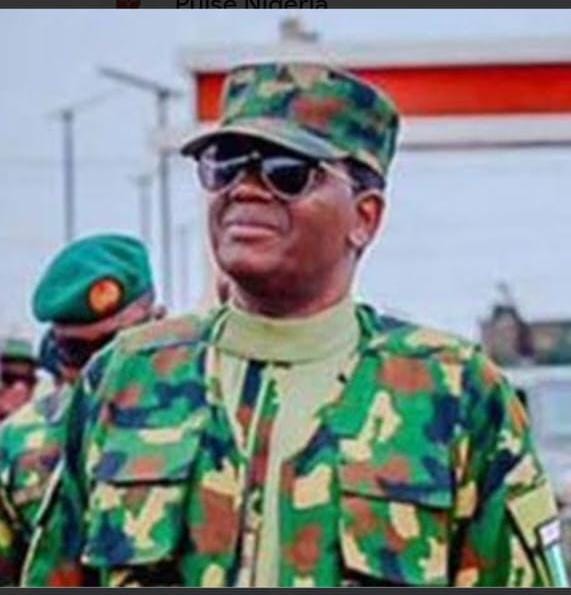
A fresh controversy has erupted around Nigeria’s worsening insecurity crisis following allegations by a United States legislator that Nigeria’s Minister of State for Defence, Bello Matawalle, attempted to suppress international scrutiny over ongoing killings in parts of the country.
The claims were made during a Facebook live broadcast by Kimberly Daniels, a member of the Florida House of Representatives and Chairwoman of the United World Congress of Diplomats (UN-WCD), who accused the minister of attempting to influence American officials through inducements and coordinated messaging.
Daniels alleged that following her recent press statement on what she described as targeted killings of Christians in Nigeria, she came under pressure from individuals she linked to the minister, including what she characterised as attempts to discredit her report and “buy support” from US-based elected officials.
According to her, an unnamed American lawmaker allegedly received an offer of financial inducement to publicly counter her position and defend the Nigerian defence leadership.
She claimed to have received evidence of a communication, including a prepared statement and promotional material, purportedly linked to the minister.
She also claimed that the bribery attempt is meant to divide America elected officials not knowing that they are united.
The Nigerian government has not officially responded to the allegations as of the time of filing this report.
The controversy follows an earlier report released on April 14, 2026, by Daniels in her capacity as head of the UN-WCD, in which she raised concerns over the escalating wave of violence in Nigeria’s North Central and North West regions.
The report, which referenced attacks during the Easter period in states including Plateau, Kaduna, and Nasarawa, highlighted what it described as increasing insecurity and alleged gaps between government assurances and realities on the ground.
It further questioned the continued leadership of the defence ministry under Matawalle, citing what it termed “credibility and integrity concerns,” including allegations of complicity with armed groups during his tenure as governor of Zamfara State.
The document recommended a review of Nigeria’s security leadership, calling on President Bola Ahmed Tinubu to initiate reforms, including a possible redeployment of the minister and a transparent investigation into the allegations.
Daniels, during her broadcast, maintained that her intervention was based on testimonies from affected communities, members of the Nigerian diaspora, and findings from the UN-WCD’s multinational network, which spans the United States, Nigeria, Ghana, the United Kingdom, and Canada.
She insisted that her actions were driven by humanitarian concerns and advocacy for vulnerable populations, particularly rural communities affected by recurring violence.
“I am speaking on behalf of people who say they are under attack,” she stated, adding that her call was for investigation rather than accusation.
The lawmaker also dismissed attempts to intimidate or silence her, asserting her constitutional right to speak on international human rights issues as an elected official.
The allegations come amid renewed global attention on insecurity in Nigeria, particularly in agrarian communities where attacks have persisted despite government assurances and military operations.
Security analysts note that the development could introduce a diplomatic dimension to Nigeria’s internal security challenges, especially if the claims trigger formal inquiries or responses from US authorities or international organisations.
Within Nigeria, reactions have been mixed, with some stakeholders urging caution and calling for verified investigations, while others stress the need to avoid politicising the country’s security challenges.
Observers say the situation underscores the growing international scrutiny of Nigeria’s security architecture and the importance of transparency in addressing allegations involving public officials.
As of press time, there has been no independent verification of the bribery claims, and no official statement has been issued by the defence ministry to confirm or deny the allegations.
However, the unfolding dispute signals a potential escalation in narratives surrounding Nigeria’s security crisis.