Featured News

Get the latest national news in Nigeria
By Toyin Victor, Abuja
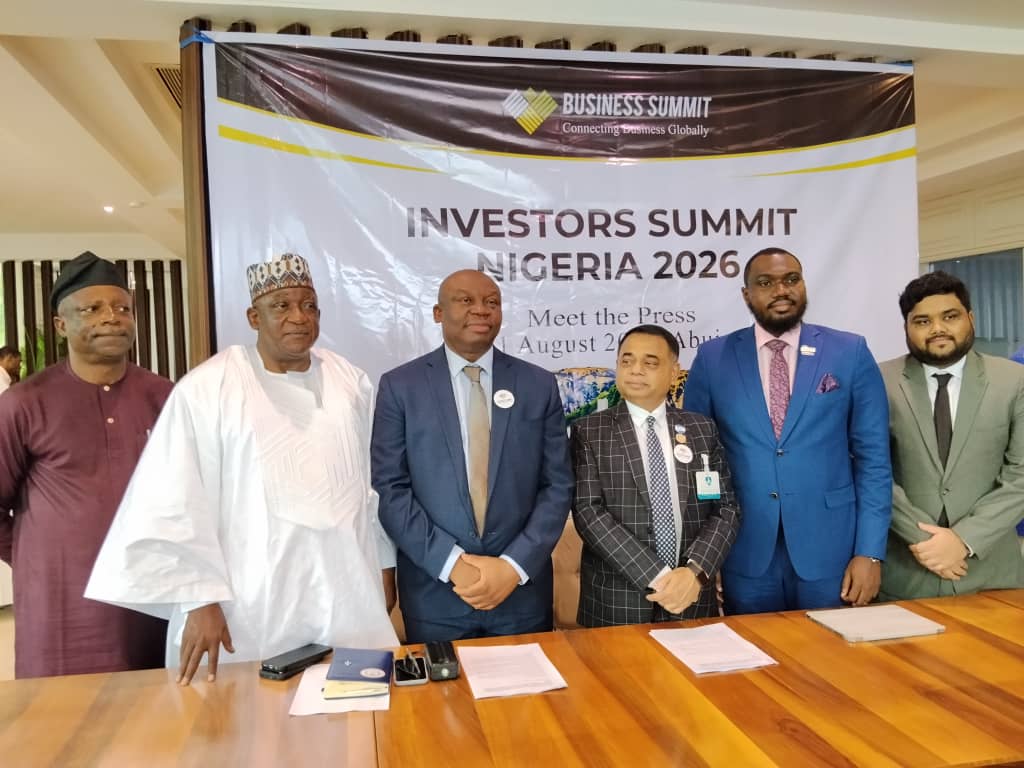
Nigeria is targeting more than 100 billion dollars in foreign investment, as over 100 global investors are expected to converge on Abuja for the International Investor Summit in November.
President of the Business Summit Group, Dato Dr. M. Haider Uzzaman, announced this in Abuja, saying the summit, scheduled for November 10 and 11 at the Abuja Continental Hotel, will bring major investors from different parts of the world to explore opportunities in Nigeria.
Uzzaman said the targeted investments will cut across oil and gas, technology, renewable energy, agriculture, mining, infrastructure, tourism and hospitality, stressing that priority will be given to projects that are properly structured, commercially viable and ready for investment.
He said Nigeria’s large population, natural resources, oil and gas potential and expanding market continue to make the country attractive to international investors. Uzzaman also said about 58 trillion dollars in global capital is currently seeking viable investment opportunities, urging Nigeria to position itself to attract a significant share of the funds.
The Business Summit Group President, however, cautioned Nigerian project owners that investors would not simply release funds without proper assessment. He said businesses seeking investment must demonstrate sound business models, adequate documentation, professionalism, profitability and the capacity to execute proposed projects.
On the summit’s international track record, the General Manager and Group Chief Financial Officer of the Business Summit Group, Abdulazeez Jubril Salawudeen, said the organisation has held investor engagements in countries including Thailand, Canada and the United Kingdom before bringing the platform to Nigeria.
Salawudeen said Nigeria was chosen following requests from Nigerian stakeholders who participated in previous summits, noting that the country’s position as one of Africa’s largest economies, its huge population and abundant investment opportunities make it a strategic destination for global capital.
He explained that the Abuja summit is designed as a direct business matchmaking platform, where investors will meet project owners, examine proposals, negotiate terms and work towards closing investment agreements, rather than merely listening to speeches and presentations.
Uzzaman disclosed that Plateau State has attracted investment commitments valued at more than one billion dollars within the past six months, describing the development as an example of what can be achieved when governments present viable projects and engage investors directly. He also disclosed that investors from Saudi Arabia are exploring livestock and poultry production opportunities in Nigeria.
He said the expected investments could come through a combination of equity and debt financing, with equity expected to account for the larger share. Uzzaman urged state governments, entrepreneurs and private-sector project owners to prepare investment-ready proposals ahead of the November summit, saying increased foreign investment in critical sectors would create jobs, strengthen infrastructure and accelerate Nigeria’s economic development.
The Abuja Electricity Distribution Plc (AEDC) has resolved the issues arising from the invasion and encroachment on the C2 Maitama Substation.
Recall, the NationalGlimpse had earlier reported that C2 Maitama Substation was invaded by land grabbers causing power distruption in the area.
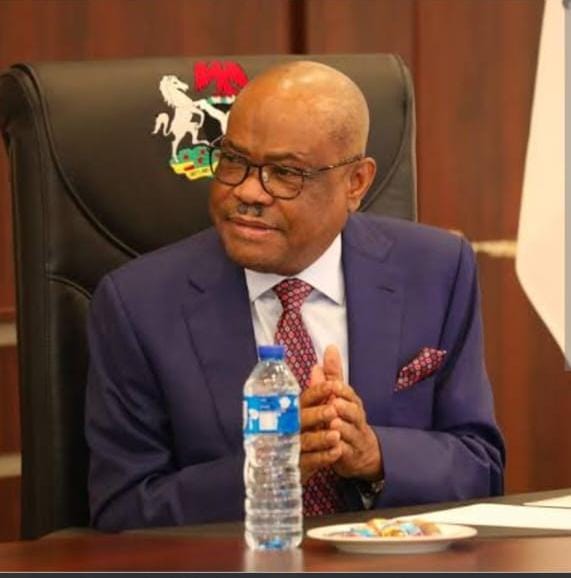
Following the invasion, AEDC drew the attention of Federal Capital Territory, FCT Minister, Nyesom Wike to the incident, which he reportedly intervened.
According to a statement signed by the Company’s management, restoration of C2 substation became possible with the intervention of key stakeholders.
‘AEDC is pleased to inform our valued customers in Maitama and surrounding areas that, following sustained engagements and the intervention of key stakeholders, the issues have been resolved.
Despite the unforeseen and exceptionally challenging circumstances surrounding the incident, a resolution has been reached, paving the way for the commencement of repair works and the restoration of electricity supply to the affected communities,’ AEDC said.
The company expressed its profound appreciation to the Honourable Minister of the Federal Capital Territory, Barrister Nyesom Ezenwo Wike, and the Honourable Minister of Power, Chief Joseph Olasunkanmi Tegbe, for their swift intervention, invaluable support and leadership in facilitating the resolution of this matter.
According to AEDC, the Ministers’ timely involvement was instrumental in achieving a positive outcome.
‘Our technical teams have now mobilised to the site and have commenced the repair, reinstatement and restoration of the damaged electricity infrastructure. Every effort is being made to complete the works safely and restore supply to customers in the shortest possible time.
AEDC sincerely thanks our customers for their patience, understanding and unwavering support throughout this difficult period. We remain committed to safeguarding critical electricity infrastructure and delivering safe, reliable and sustainable power supply to all our customers,’ the Company said.
By KSO Almost everyone has the same ritual. You finish. You reach for the tissue. You wipe. You fold. You wipe again. You look. You wipe one more time for…
By Dr. Yemi Success There are fifteen pastors destroying Nigeria; fifteen patterns of ministry and messages, fifteen expressions of Christianity that is helping to produce the Nigeria we complain about…
By Toyin Victor, ABUJA Human rights activist and lawyer, Deji Adeyanju, has condemned the reported plan to demolish structures around Amnesty International Nigeria’s National Office in Abuja and convert a…
At 83, most grandmothers are asking for rest. Not Mrs. Uloma Uchechi Sunday, who was arrested again by operatives of the National Drug Law Enforcement Agency (NDLEA) with consignments of…
Artificial intelligence is emerging as a game-changer for Nigeria’s hospitality industry, offering hotels and restaurants opportunities to predict customer demand, reduce waste, improve service delivery and boost revenue without losing…