

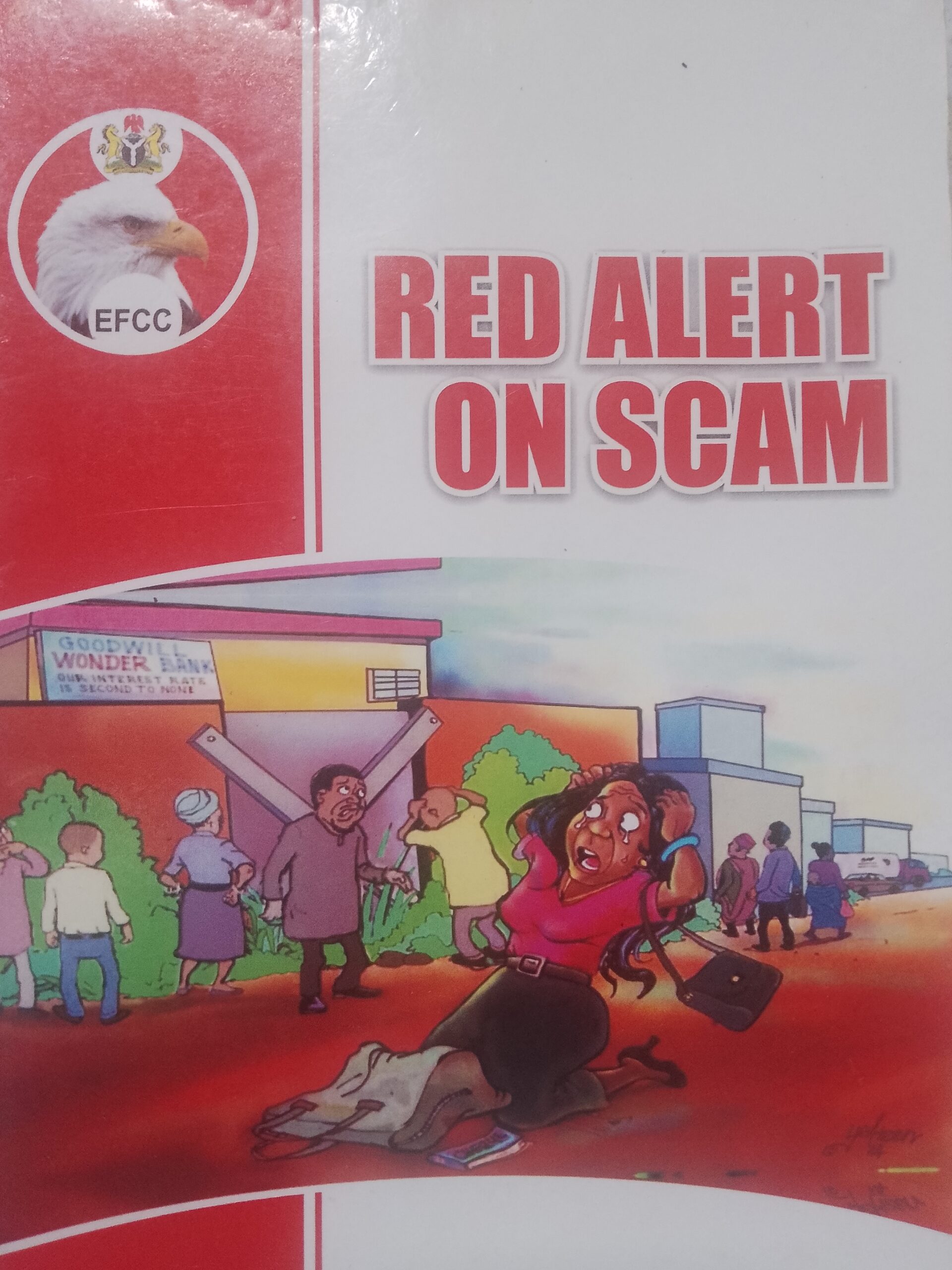
The recent collapse of platforms promising “easy money” is another reminder that Ponzi schemes continue to evolve. They change names, branding, and marketing strategies, but their core structure remains the same: they pay earlier participants with money collected from newer participants until the system inevitably collapses.
Common Signs of a Ponzi Scheme
1. Guaranteed high returns with little or no risk.
If profits are promised regardless of market conditions, be cautious.
2. No clear source of revenue.
The company cannot convincingly explain how it generates enough income to pay investors.
3. Heavy dependence on referrals.
Members are encouraged to recruit others because new deposits keep the scheme alive.
4. Pressure to invest immediately.
Statements like “Join now before registration closes” or “Limited slots available” are designed to create panic.
5. VIP or tiered investment packages.
Higher investments supposedly guarantee higher daily or weekly earnings.
6. Simple tasks for unrealistic rewards.
Watching videos, reading articles, clicking adverts, or logging in daily should not realistically generate thousands of naira in profit.
7. Unregistered or poorly regulated operators.
They often claim international affiliations but lack proper regulatory approval.
8. Withdrawal restrictions.
Excuses such as “system upgrade,” “maintenance,” “account verification,” or “network issues” often appear before collapse.
9. Luxury lifestyle marketing.
Flashy cars, vacations, cash giveaways, and testimonials are used to lure new members.
10. Secretive business model.
Questions about how profits are made are met with vague or evasive answers.
Notable Ponzi Schemes and Their Peculiarities
– MMM Nigeria (2016) – Promised up to 30% monthly returns under the guise of “providing help.” It relied almost entirely on continuous inflows from new participants.
– MBA Forex – Claimed to be a forex investment company offering extraordinary returns. Many investors lost billions when withdrawals stopped.
– Racksterli – Advertised itself as an online advertising platform where users earned money by viewing adverts, but recruitment became its real engine.
– Loom Money Circle – Operated as a gifting circle where new participants’ payments funded earlier members.
– Ultimate Cycler – Used a matrix structure in which earnings depended on recruiting enough people into the network.
– Twinkas – Marketed as a “peer-to-peer donation” platform promising quick returns without a genuine investment business.
– Crowdyvest (controversial period) – Although different from outright Ponzi schemes and later restructured, delays in payouts highlighted the importance of understanding business models before investing.
– Chinmark Group (investment controversy) – Promised attractive returns through investments in various businesses, but liquidity challenges led to delayed repayments and investigations.
– National Reading Culture (NRC) – Presented itself as a paid reading platform where users earned by completing reading tasks. VIP upgrades and referral incentives became central to participation before the platform reportedly crashed.
How to Protect Yourself
– Never invest money you cannot afford to lose.
– Verify registration with the appropriate regulators before investing.
– Ask one simple question: Where does the profit actually come from?
– If the answer depends mainly on new members joining, walk away.
– Research independent reviews instead of relying on testimonials from participants.
– Be suspicious of guaranteed returns.
– Remember that if an opportunity sounds too good to be true, it usually is.
Final Thought
Every Ponzi scheme tells a different story, but they all end the same way. The names change, the apps become more sophisticated, and the marketing becomes more convincing. The mathematics, however, never changes. A system that depends on an endless stream of new investors cannot continue forever.
Financial wisdom is not about finding the fastest way to make money—it is about recognizing risks before they become losses. Before investing, investigate. Before recruiting others, verify. And before believing extraordinary promises, ask for extraordinary evidence.