

By Toyin Victor, ABUJA
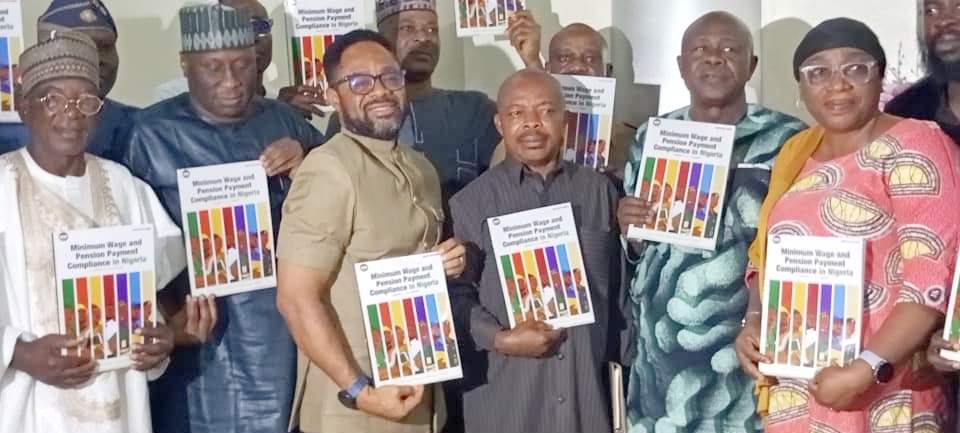
ActionAid Nigeria has launched an inveystigative research report into minimum wage implementation and pension payment compliance in Nigeria, as the Nigeria Labour Congress warns that rising living costs continue to erode workers’ purchasing power.
Speaking at the launch at Rockview Royale Hotel, Abuja, ActionAid Nigeria Country Director, Andrew Mamedu, described the research as timely, given concerns about workers’ welfare and the enforcement of minimum wage provisions across the country.
Mamedu noted that Nigeria’s minimum wage rose from ₦30,000 to ₦70,000 in 2024, while the statutory review period was reduced from five years to three years. He argued that discussions about wages must reflect the economic realities facing workers rather than depend solely on the review timetable.
He said economic progress should also be measured by the lived experiences of ordinary Nigerians, stressing that minimum wage concerns extend beyond organised labour to workers in private businesses and small and medium-sized enterprises.
Mamedu explained that ActionAid Nigeria collaborated with the Nigeria Labour Congress on the research, which examined compliance with minimum wage provisions. He recalled that some states and local governments had struggled to implement previous wage levels, adding that the study involved interviews with workers, pensioners, government officials and relevant agencies across different sectors.
He urged stakeholders to ensure that the report leads to practical action, stressing that its findings should inform government decisions and not end with discussions alone. He also highlighted the media’s role in monitoring responses and promoting accountability.
Also speaking at the launch, Nigeria Labour Congress President, Comrade Joe Ajaero, called for negotiations on a new minimum wage to begin without delay. He argued that the process could take several months and warned that further delays could prolong the financial pressure on workers amid rising food, transport and energy costs.
Ajaero maintained that inflation and higher living expenses had eroded the purchasing power of the current ₦70,000 minimum wage. He called for interim support for workers before a new wage agreement is reached and urged that minimum pension payments be considered alongside minimum wage negotiations, citing concerns about pensioners’ ability to meet basic needs.
The labour leader also called for broader measures to ease the cost of living, including improved public transport alternatives, reliable electricity supply and greater attention to informal-sector workers. The research launch is expected to support further engagement with government and other stakeholders on minimum wage compliance, pension payments and the welfare of Nigerian workers.