
ABUJA – The Federal Government has urged African countries to harmonise their legal and institutional frameworks for tracing, freezing, confiscating and repatriating stolen public funds and other proceeds of crime hidden abroad.
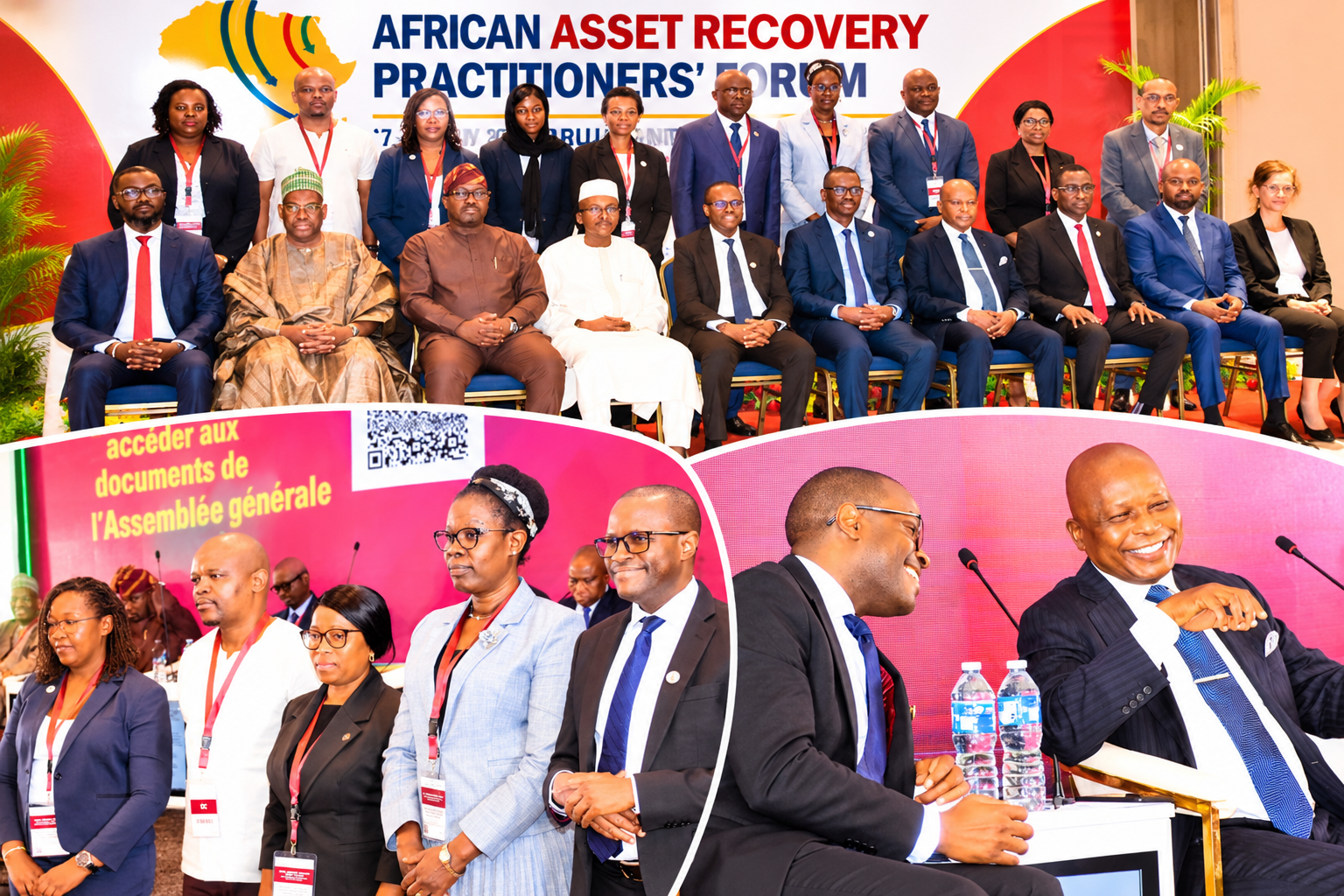
The Attorney-General of the Federation and Minister of Justice, Chief Lateef Fagbemi, SAN, made the call on Tuesday in Abuja while declaring open the First General Assembly of the African Asset Recovery Practitioners’ Forum (AARP-F).
Fagbemi urged the Forum to develop a harmonised continental Standard Operating Procedure covering asset tracing, freezing, seizure, confiscation, repatriation, management and disposal, while respecting the domestic laws and sovereignty of member states.
He said the framework should establish common minimum standards, strengthen mutual legal assistance, promote secure information sharing and guarantee due process and the protection of third-party rights.
The minister also called for improved beneficial ownership transparency, digital asset-tracing capabilities, professional training and independent reporting on the management of recovered assets.
He stressed that the success of the Assembly should not be measured by declarations but by the value of assets recovered, obstacles removed and the positive impact on the lives of Africans.
Describing illicit financial flows as a major threat to Africa’s development, Fagbemi said the continent was losing resources that should be invested in education, healthcare, infrastructure and other critical sectors.
He noted that asset recovery went beyond tracing bank accounts and obtaining forfeiture orders, describing it as a struggle for accountability, economic sovereignty and the restoration of public confidence in governance.
The minister further warned that recovered assets must be protected against dissipation, mismanagement and diversion into illicit channels, adding that their developmental impact should be a major measure of success.
Earlier, the Chairman of the Independent Corrupt Practices and Other Related Offences Commission (ICPC), Dr Musa Adamu Aliyu, SAN, said every asset stolen from Africa represented a development opportunity denied to its people.
Aliyu, who also chairs the Forum’s Interim Steering Council, described asset recovery as an essential instrument of accountability, national development and protection of public resources.
He said effective recovery required stronger institutional partnerships, specialised expertise, timely information sharing and sustained cooperation among African countries and international partners.
According to him, the responsibility of asset recovery practitioners does not end with identifying and recovering stolen assets but extends to ensuring their lawful return and transparent management for the public good.
The Chairperson of the African Union Advisory Board Against Corruption (AUABC), Hon. Kwami Edem Senanu, described the maiden General Assembly as a significant demonstration of Africa’s capacity to achieve results through unity and collective responsibility.
Senanu commended Nigeria for its consistent leadership in championing the Common African Position on Asset Recovery (CAPAR), urging member states to translate existing commitments into practical action.
Also speaking, the Head of Development Cooperation at the German Embassy, Dr Karen Jansen, expressed concern over the enormous resources Africa continues to lose through illicit financial flows.
She said recovering the funds was essential to financing development, improving citizens’ welfare and rebuilding public confidence in governance.
Similarly, the Head of the Political Affairs, Peace and Security Department of the African Union Commission, Ambassador Bankole Adeoye, represented by Mr Isiaka Garba, said the Forum was established to move Africa’s asset recovery commitments beyond policy declarations to measurable results.
He stressed the need for stronger institutional engagement and coordinated efforts to ensure effective implementation of CAPAR.
The four-day Assembly, which brought together delegates from African Union member states and international development partners, is themed, “From Commitment to Action: Enhancing Africa’s Asset Recovery Architecture through Effective Implementation of the Common African Position on Asset Recovery (CAPAR).”
CAPAR was adopted by the African Union in February 2020 to provide a common continental framework for identifying, tracing, recovering, returning and managing assets acquired through illicit means.