

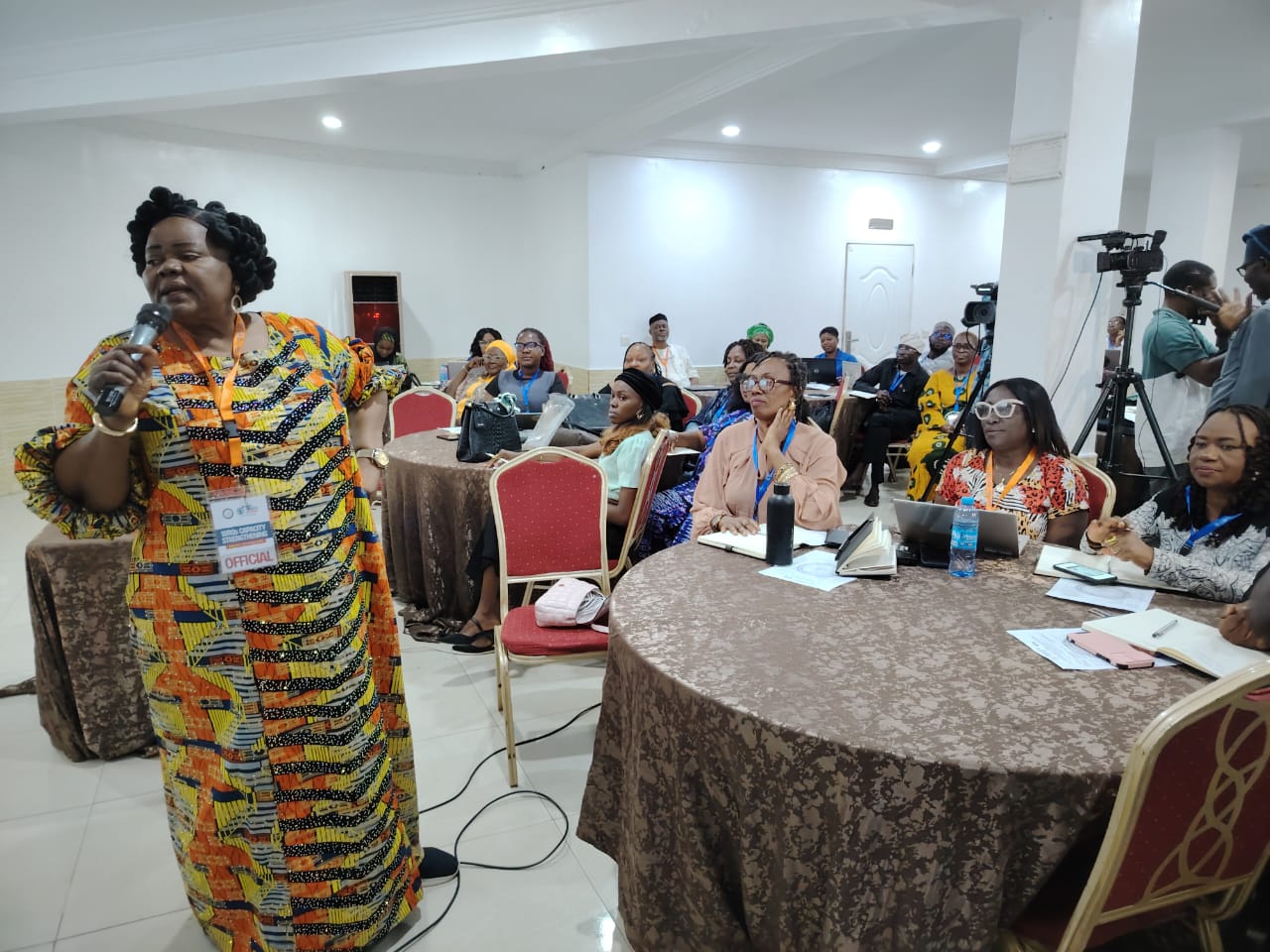
ABUJA – The African Centre for Leadership, Strategy & Development (Centre LSD) has called for greater involvement of men in the fight against gender-based violence, stressing that male allyship must strengthen, rather than undermine, women-led movements.
Speaking at a two-day capacity-strengthening programme for Women’s Rights Organisations in Abuja, Project Director of the Male Feminists Network (MFN), Dr Otive Igbuzor, said men must move beyond public declarations of support for women’s rights to accountable actions that challenge patriarchal structures and practices.
The programme, themed “From Principles to Practice: Institutionalising Accountable Male Allyship in Women’s Rights Programming,” is being held from October 8 to 9, 2026.
Igbuzor said male participation in gender advocacy does not automatically translate into meaningful allyship, warning that men could inadvertently reproduce the same power relations they claim to oppose.
He said, “Men should become more visible in challenging patriarchy, but they should not become more powerful within the women’s rights movement.”
According to him, accountable male allyship requires men to listen before leading, support rather than substitute women’s leadership, challenge harmful practices among other men and accept correction and accountability.
He added that the goal should be to move from individual commitment to institutional change through policies, budgets, organisational practices and accountability mechanisms.
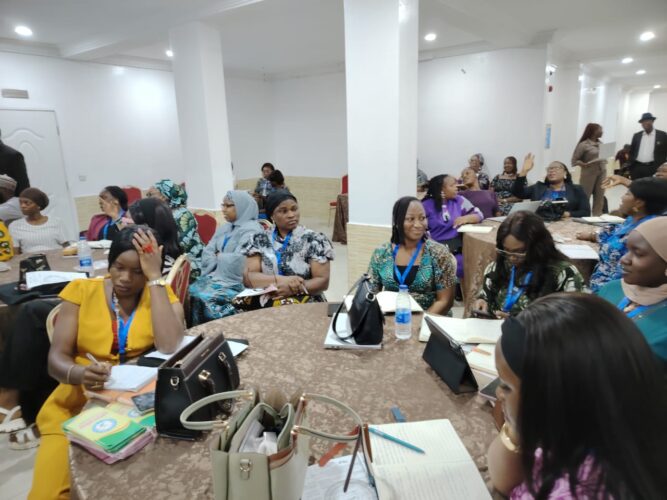
Also speaking, the Project Lead of the Male Feminists Network, Victoria Osenyade-Udoh, said the initiative was established to bring men into the fight against gender-based violence, particularly because men are often perpetrators of such violence.
She said engaging male allies could broaden understanding of gender-based violence and make it easier for men to challenge other men over abusive behaviour.
Osenyade-Udoh said the programme would pair male and female allies to develop practical interventions and strategies for deployment across Nigeria’s six geopolitical zones.
She also called for stronger collaboration among government, traditional rulers, religious leaders, civil society organisations, women’s rights groups and other stakeholders in tackling harmful social norms.
According to her, traditional rulers have an important role to play because of their influence over customs and community practices.
She cited instances where traditional leaders had helped abolish or reduce harmful practices affecting women and girls, stressing that their involvement could accelerate social and behavioural change.
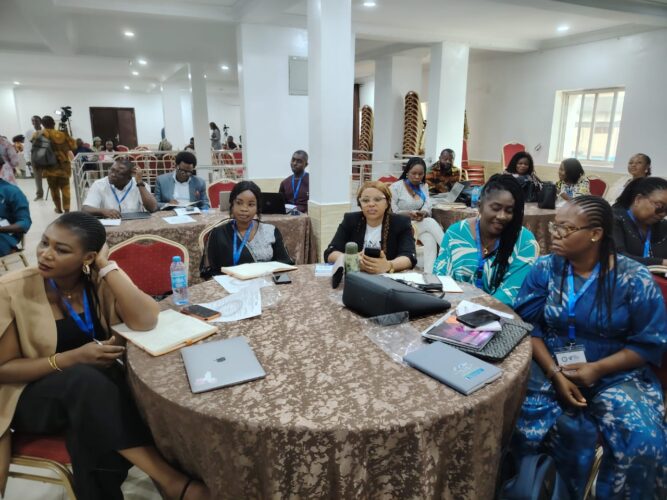
Similarly, a female participant, Dr Funmi Akinyele of Food Basket Foundation International, Oyo State, said male allies, including fathers, brothers and traditional rulers, could play a significant role in eliminating harmful practices such as female genital mutilation.
Akinyele said the engagement of traditional rulers in some communities in Oyo State had contributed to reducing the practice, demonstrating the importance of male leadership in changing harmful social norms.
Another participant at the training and a Project Officer with Feminism Lab, Mamman Jamilu, also urged men to actively support gender equality, saying the struggle against gender-based violence could not be left to women alone.
Jamilu said men had a responsibility to ensure that women and girls enjoyed equal opportunities and inclusion in their homes and communities.
The Centre LSD said the training was designed to strengthen women’s rights organisations on movement building, feminist leadership, advocacy, constituency building and strategic engagement with male allies without compromising women’s leadership and agency.